Moving for work can feel simple on paper and complicated in real life, especially when your target city is Los Altos. If you are balancing a new job, a fast timeline, and a housing search in one of Silicon Valley’s most expensive markets, you need a plan that helps you move quickly without guessing. This guide will walk you through the housing basics in Los Altos, from prices and home types to school boundaries and commute patterns, so you can start your search with more clarity. Let’s dive in.
Los Altos housing at a glance
Los Altos is primarily a single-family home market. City planning documents note that more than 85 percent of the housing stock is single-family, and the city is largely built out, which helps keep supply limited.
That matters if you are relocating for work and hoping for lots of options. In Los Altos, inventory is usually tight, and the market tends to favor buyers who are prepared before they begin touring seriously.
What budget should you expect?
Current market snapshots all point to a high-price market, even though the exact numbers vary by portal. Recent data shows roughly 65 to 74 homes for sale, with median pricing around the low-$4 million range to upper-$4 million range depending on the source.
A practical way to think about pricing is by likely search band rather than one citywide average. Based on current inventory, you may see:
- Low-$3 million to $4 million for the lower end of detached inventory
- Mid-$4 million to $6 million for many move-up family homes
- $6 million and up for larger lots, newer construction, or standout estate properties
Within the same city, price can shift quickly based on lot size, renovation quality, and street location. A buyer who relies only on the city average can easily miss how different one pocket of Los Altos may feel from another.
Why inventory feels limited
Los Altos is a lower-density city, and city materials describe it as mostly built out. In practical terms, that means there is less room for large waves of new inventory than in places with more dense redevelopment.
For you as a relocating buyer, that often creates a market where the right home may not appear every week. If your move date is fixed, it helps to start shortlisting neighborhoods and price bands early rather than waiting until the last minute.
What kinds of homes will you find?
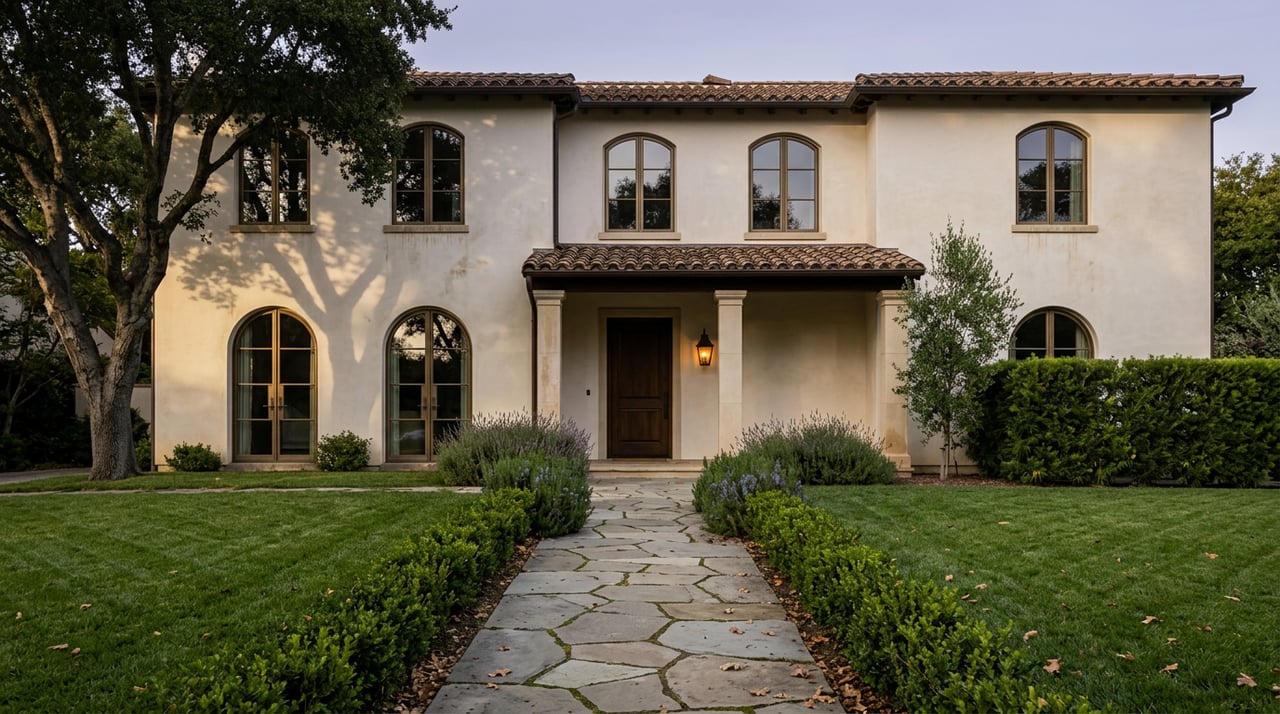
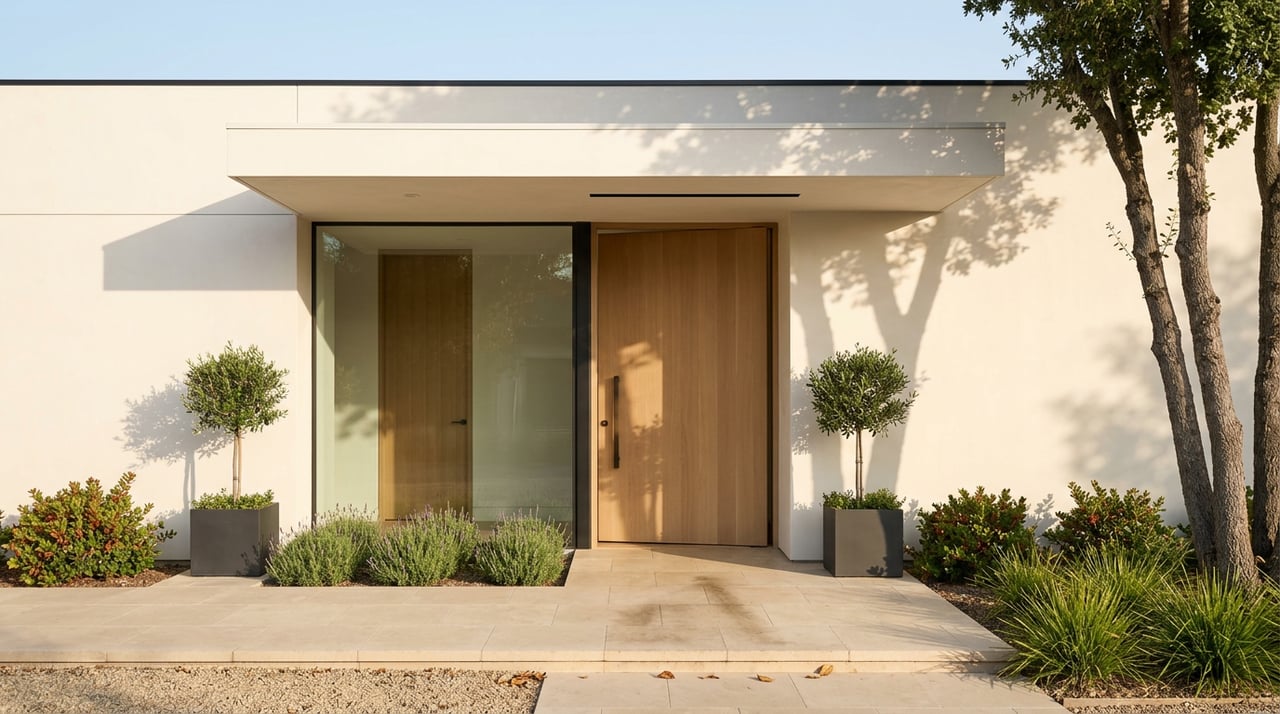
Los Altos offers more variety than many first-time relocation buyers expect, but the market still centers on detached homes. You will find older homes in established areas, remodeled properties, single-story options, ranch homes, vintage homes, and new-construction estates.
In the historic core, city records identify styles such as bungalow, Mission, Craftsman, Prairie, Italian Villa, Tudor, Colonial, Provincial, and Spanish Colonial Revival. That gives parts of central Los Altos a more established and compact feel than many nearby Silicon Valley communities.
At the same time, current inventory suggests style is only part of the story. In many cases, lot size, updates, floor plan, and street context will shape value more than architectural label alone.
How to think about Los Altos micro-markets
If you are coming from outside the area, it helps to orient yourself using everyday landmarks rather than broad city averages. The city’s shopping districts include Downtown Los Altos, Loyola Corners, Rancho Shopping Center, Village Court, Woodland Plaza, Foothill Crossing, and El Camino Real.
These hubs can help you understand how different parts of Los Altos function day to day. One area may feel closer to daily errands and a more compact street grid, while another may feel more residential and spread out.
ZIP code differences also matter. Current portal snapshots show a meaningful split between 94022 and 94024, which is another reminder that your budget and expectations should be tied to a specific area, not just the city name.
Are there options beyond the main house?
Yes, in some cases. The city notes that Los Altos includes single-family dwellings, second living units, and multiple-family units, and it also offers a pre-approved ADU program.
The city’s ADU guidance says junior accessory dwelling units are permitted within a single-family home. If you are planning for extended family, a future guest space, or added flexibility over time, that may be worth discussing early in your search.
What relocating families should know about schools
For many buyers moving to Los Altos for work, school planning is part of the housing decision even when the move is job-driven. The main point to understand is that district assignment is not always as simple as “buy in Los Altos and you know the school.”
In general, Los Altos buyers often look at two districts:
- Los Altos School District for TK through 8
- Mountain View-Los Altos Union High School District for high school
Los Altos School District says it has seven elementary schools and two junior highs, and those schools are located across Los Altos, Los Altos Hills, Mountain View, and Palo Alto. The high school district serves Los Altos, Mountain View, and Los Altos Hills.
The key takeaway is simple: verify the exact assignment by address. LASD states that students must live within district residency boundaries, and placement can be affected by factors such as capacity, class size, and overflow.
If schools are part of your home search, confirm the elementary or junior high assignment before you build your timeline or write an offer around that assumption. That extra step can save you from a stressful surprise later.
How commute patterns shape your search
When you relocate for work, the home itself is only part of the decision. Commute access often determines which part of Los Altos will feel practical for your weekly routine.
City planning documents identify the main commute corridors as:
- I-280
- SR 85
- SR 101
- Foothill Expressway
- El Camino Real
Los Altos does not have its own rail station. For rail access, nearby Caltrain connections are typically through San Antonio or Mountain View, and the Mountain View station also includes VTA connections.
If you expect to split time between office days, airport runs, and family logistics, it helps to test likely routes before narrowing your search too far. Two homes with similar price points can feel very different when commute patterns are added to the equation.
How competitive is the market right now?
The market remains competitive, though not every listing moves at the same pace. Current portal snapshots report about three offers on average for homes, roughly 10 days on market in one snapshot, and a strong share of homes selling over list price.
The exact numbers differ by source, but the broader takeaway is consistent. Well-priced homes can move quickly and may attract multiple offers.
For a relocating buyer, that means preparation matters. If you wait to solve financing, review disclosures, or compare neighborhoods until after you find the home you want, you may be forced into rushed decisions.
A practical relocation game plan
If you are moving to Los Altos for work, a structured approach can make the process feel much more manageable. The goal is to reduce surprises and make your decision window shorter when the right home appears.
A smart starting plan often looks like this:
- Set a realistic budget range based on today’s detached-home market, not a broad Bay Area average.
- Choose two or three target pockets using shopping districts, commute routes, and daily routine needs.
- Clarify school questions early by verifying assignment at the address level.
- Review property disclosures quickly and carefully so you understand condition, updates, and risk.
- Be ready to act if a home is priced well and fits your priorities.
This kind of preparation is especially helpful for time-constrained professionals. It gives you a clearer filter and helps you avoid spending valuable time on homes or areas that do not actually match your move.
What matters most for out-of-area buyers
If you are new to Los Altos, it is easy to focus only on headline pricing. In reality, the most important housing basics are usually these: detached-home supply is limited, prices vary sharply by micro-market, school assignment needs to be verified by address, and commute patterns can shape your daily experience as much as the home itself.
That is why local context matters. In a market like Los Altos, the right guidance can help you move beyond the citywide average and focus on what actually fits your work schedule, household needs, and long-term plans.
If you are preparing for a work move to Los Altos and want a clear, data-backed strategy for your home search, Maria Afzal can help you navigate the market with local insight, responsive guidance, and a relocation plan tailored to your timeline.
FAQs
What kind of housing is most common in Los Altos?
- Los Altos is primarily a single-family home market, with city materials noting that more than 85 percent of the housing stock is single-family.
What price range should you expect for Los Altos homes?
- Current market snapshots suggest Los Altos is a high-price market, with practical search bands often starting in the low-$3 million range for lower-end detached homes and moving well above $6 million for larger or newer properties.
What home styles can you find in Los Altos?
- Buyers can find a mix of home styles, including bungalow, Craftsman, Mission, Tudor, Colonial, Spanish Colonial Revival, ranch, remodeled homes, single-story homes, and newer construction.
What school districts serve Los Altos homes?
- Many Los Altos addresses connect to Los Altos School District for TK through 8 and Mountain View-Los Altos Union High School District for high school, but assignment should always be verified by address.
What commute options do Los Altos residents usually use?
- Los Altos commuters often rely on I-280, SR 85, SR 101, Foothill Expressway, and El Camino Real, with nearby Caltrain access typically through San Antonio or Mountain View.
How fast do homes sell in Los Altos?
- Current portal data suggests that well-priced Los Altos homes can sell quickly and often attract multiple offers, so buyers benefit from being fully prepared before they begin making offers.