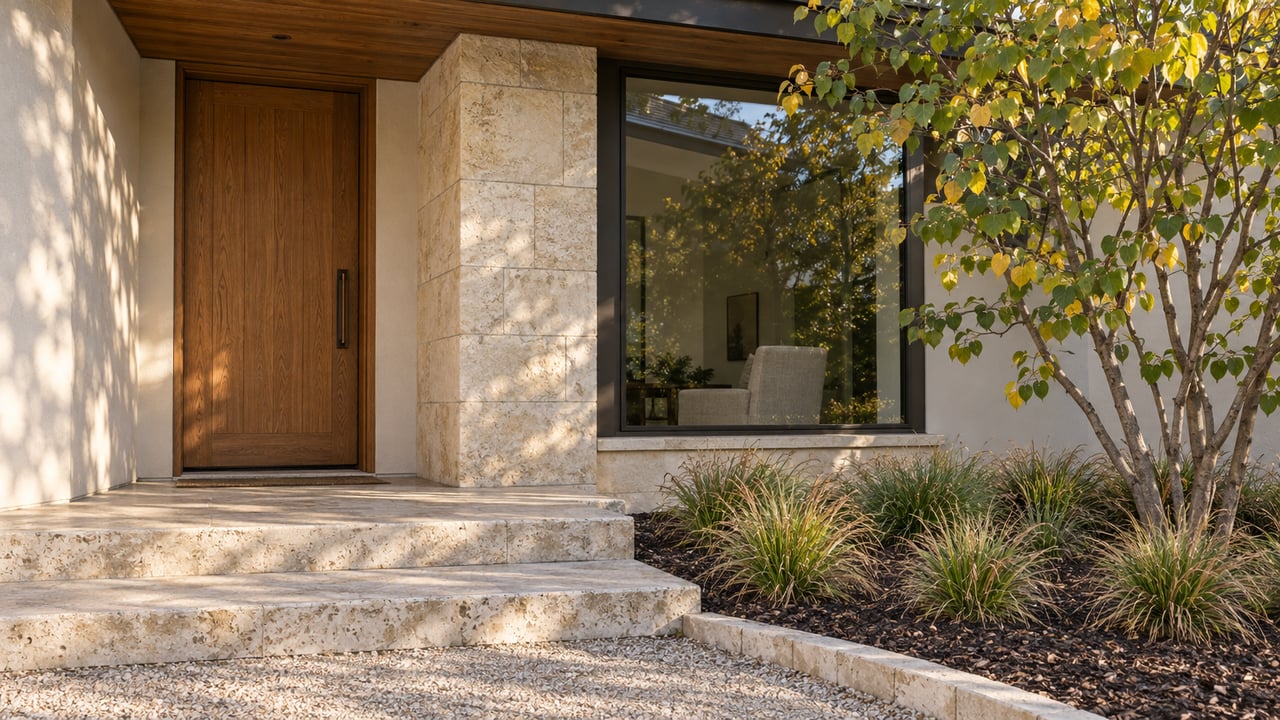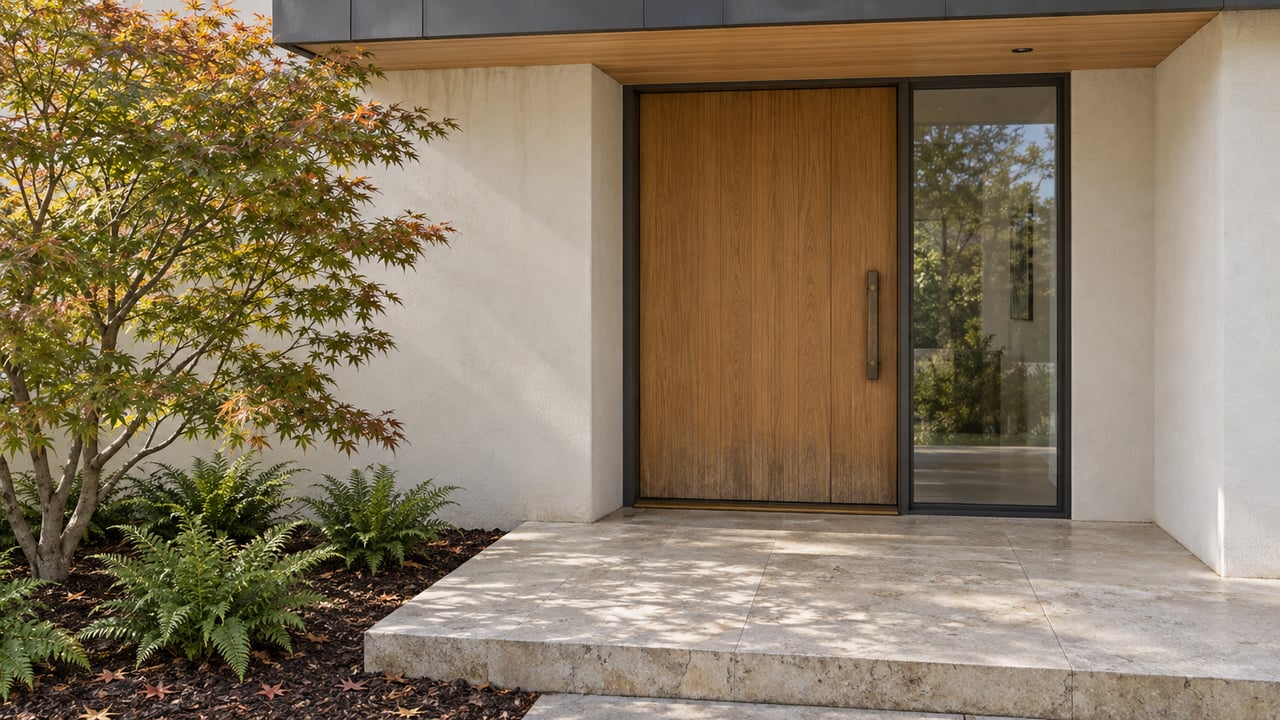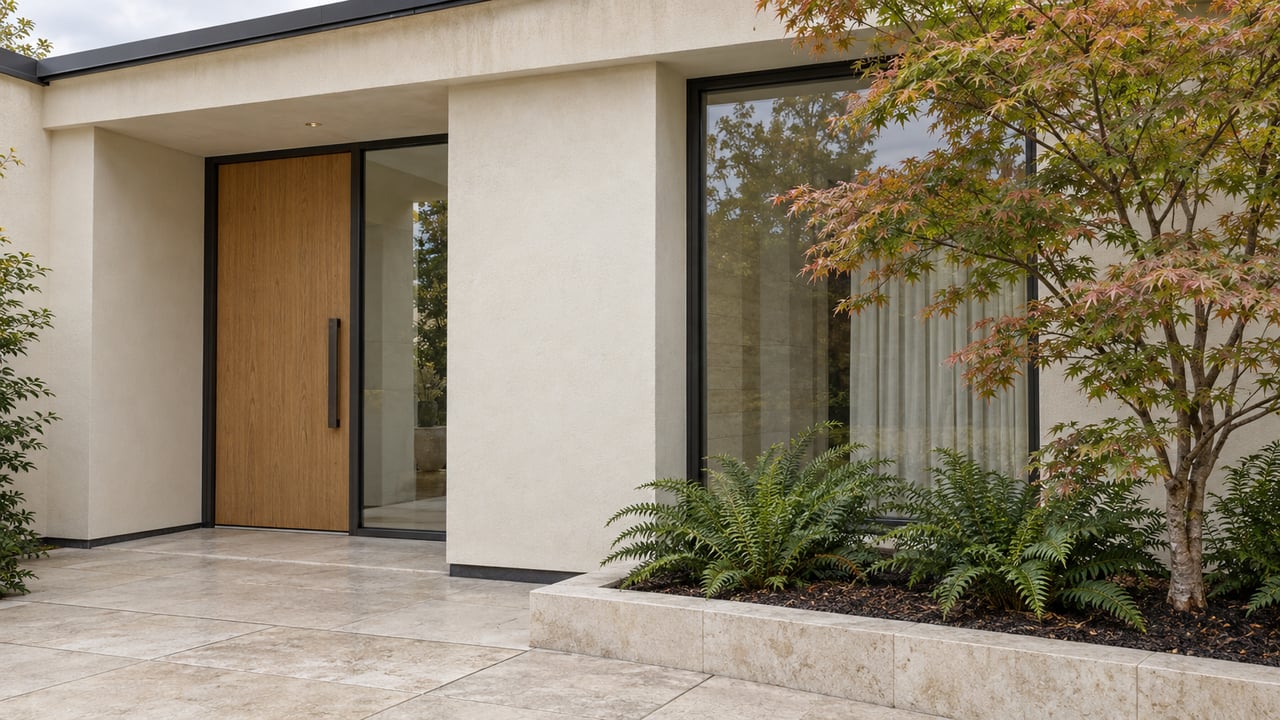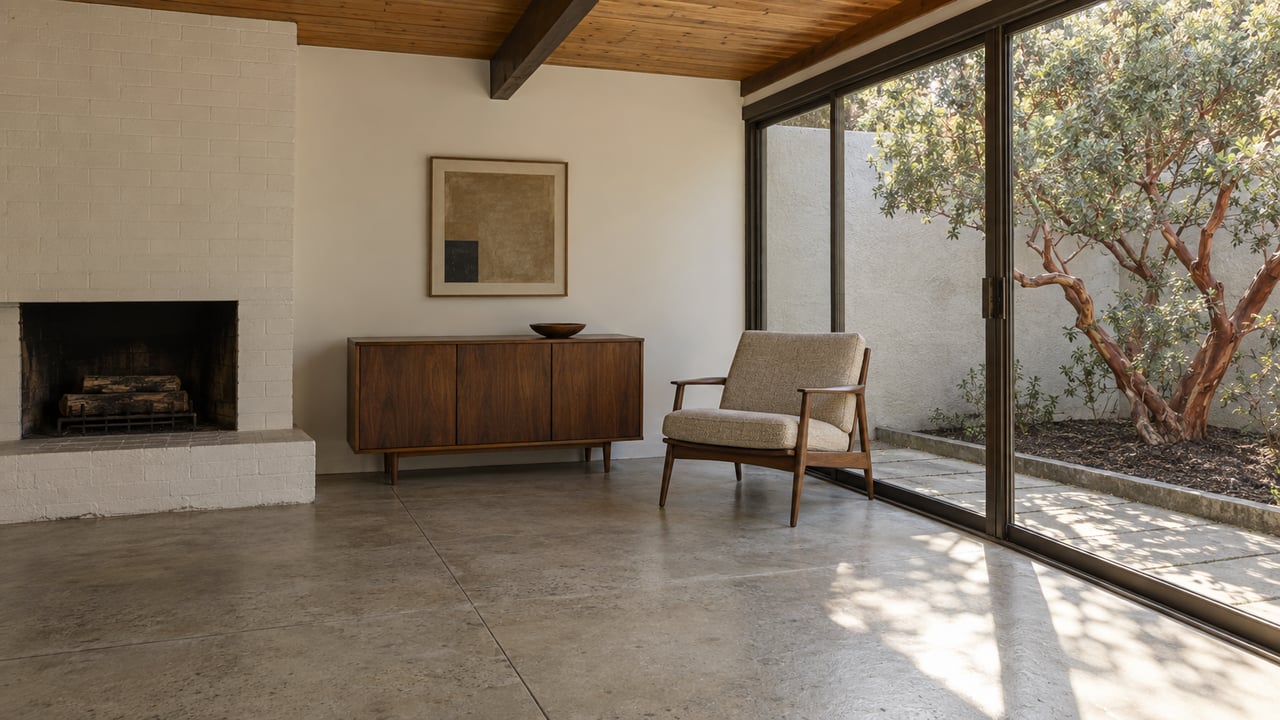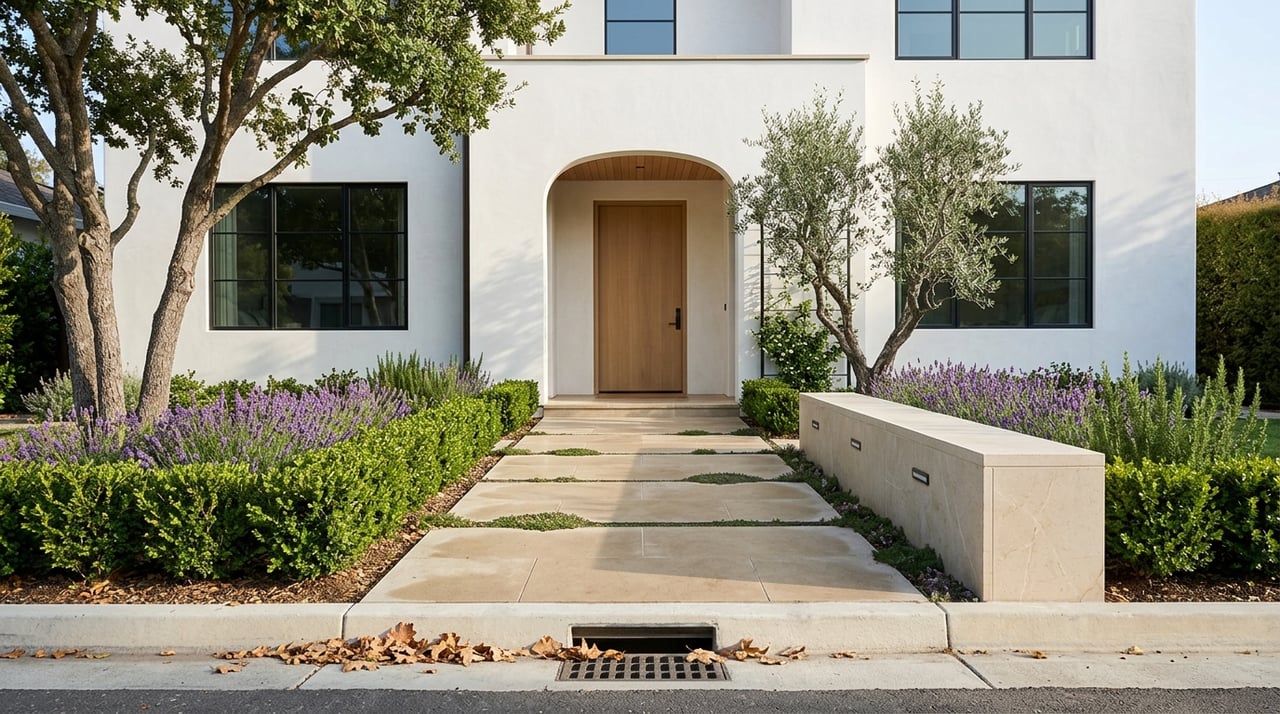
If you are wondering what everyday life in Menlo Park actually feels like, the short answer is this: it feels easy. You get a polished, small-city Peninsula lifestyle where coffee, errands, dining, parks, and transit can all fit naturally into your day. Whether you are relocating, buying locally, or simply comparing neighborhoods, understanding the daily rhythm matters. Let’s dive in.
Menlo Park has a calm, connected feel
Menlo Park stands out for its compact, tree-lined setting and its strong downtown core. The city describes downtown as a walkable district with dining, cafes, shopping, and a nearby park, all within walking distance of the Menlo Park Caltrain station.
That setup shapes daily life in a very practical way. Instead of feeling spread out or overly commercial, Menlo Park often feels centered around convenient routines. Santa Cruz Avenue acts as the social spine, with restaurants, coffee spots, shops, showrooms, sidewalk dining, and regular community activity.
The downtown business district notes that Santa Cruz Avenue includes more than 35 restaurants and cafes, 12 coffee and bakery spots, 20-plus shops, and 15-plus showrooms. For you, that means a lot of day-to-day needs and small pleasures are clustered in one easy-to-use area.
The daily rhythm starts on Santa Cruz Avenue
In many ways, Menlo Park feels most like itself in the morning. Coffee and breakfast routines naturally gather downtown, especially along Santa Cruz Avenue, where familiar local stops and pastry shops create a steady but relaxed start to the day.
Downtown listings include places such as Philz, Cafe Borrone, Mademoiselle Colette, Peet’s, Little Sky Bakery, and Menlo Cafe. That mix gives the area a nice range, from a quick coffee run to a slower breakfast meeting or casual diner-style stop.
One of the biggest lifestyle advantages here is that these places are not scattered across miles of commercial corridors. They are close together, which makes simple routines feel smoother. You can grab coffee, run an errand, and still be back home or at the office without much friction.
Lunch and dinner feel polished but manageable
By lunch and dinner, downtown Menlo Park offers more range than you might expect from a city of its size. The dining mix feels established and refined, with options that work for a weekday lunch, a client meeting, or an easy dinner close to home.
Downtown directories list restaurants such as Left Bank Brasserie, Bistro Vida, British Bankers Club, Clark’s Oyster Bar, Cafe Vivant, Camper, Farmhouse Kitchen Thai Cuisine, and Kyosho Sushi. The city also highlights its Streetary program for outdoor dining and a public plaza on the 600 block of Santa Cruz Avenue designed for coffee, meals, and small events.
The result is a downtown that stays active beyond office hours without leaning on nightlife. Menlo Park tends to feel social and lively, but still comfortable and approachable.
Weekends feel local and outdoorsy
Weekend life in Menlo Park often centers on simple public gathering spaces and outdoor routines. You are not relying on a large entertainment district. Instead, you get a community pattern built around parks, walking, dining, and recurring local events.
Downtown Menlo Park hosts a year-round Sunday farmers market on Chestnut Street between Santa Cruz and Menlo avenues from 9:00 a.m. to 1:00 p.m. The city also notes that Fremont Park hosts free summer concerts in July and August.
The downtown association describes the area as full of life with wine walks, sidewalk dining, and community events. For many buyers, that creates the kind of weekend cadence people want on the Peninsula: active, pleasant, and social without feeling hectic.
Parks play a big role in daily life
Menlo Park’s park system is one of the strongest parts of its day-to-day lifestyle. For a relatively small city, it offers a surprisingly broad range of public outdoor spaces, and those spaces support everything from quick walks to longer weekend outings.
Burgess Park is especially important to the city’s everyday rhythm. This 9.31-acre civic-center park includes a playground, open field, pond, skate park, swimming pool, tennis court, basketball court, and paved walking paths. The city’s central library and Arrillaga Family Gym are also in the Civic Center area.
For you, Burgess Park can function as more than just a park. It is a practical hub for recreation, reading, walking, and family time, all in one central area.
Neighborhood parks add convenience
Nealon Park offers a different feel, with more of a neighborhood-park atmosphere. Located on Middle Avenue, it includes an all-abilities playground, off-leash dog area, tennis, softball, picnic areas, and walking paths.
Fremont Park is much smaller at 0.38 acres, but it plays an outsized role downtown. It is the kind of pocket park that gives you a place to pause for lunch, read outside, or catch a community event without leaving the heart of the city.
Bayfront access gives you more room to breathe
When you want a bigger outdoor reset, Bedwell Bayfront Park adds another layer to life in Menlo Park. This 160-acre bayside park is the city’s only city-owned open space on the San Francisco Bay.
The park is used for hiking, running, bicycling, dog walking, bird watching, kite flying, and photography. Its perimeter trail is part of the Bay Trail, which gives Menlo Park a more open, scenic side that balances its polished downtown core.
Neighborhood feel varies by pocket
Menlo Park is not one-note. Even though the city feels compact overall, different pockets offer different versions of daily life, especially when it comes to home types, street feel, and how close you are to downtown, El Camino Real, parks, and transit.
West Menlo Park feels quieter and more residential
West Menlo Park is often associated with quiet residential streets and a more tucked-away feel. It is important to note that West Menlo Park is unincorporated and sits in Menlo Park’s sphere of influence rather than within city limits.
City and county materials describe it as primarily detached single-family homes. The same materials note there are no public open spaces inside the neighborhood itself, though Jack W. Lyle Park sits just outside its northwest edge. For many buyers, the draw here is the quieter residential character paired with access to the broader Menlo Park area.
Allied Arts and Stanford Park feel close-in
Allied Arts and Stanford Park offer a residential setting with convenient access to major connectors and nearby services. City materials describe the area as primarily detached single-family homes and two-story apartments, with commercial and retail uses along El Camino Real.
Nealon Park and Jack W. Lyle Park sit just outside parts of the area, and streets like El Camino Real, Middle Avenue, and University Drive help connect you to the rest of Menlo Park. If you want a close-in location without being directly in the downtown core, this pocket often reads that way.
Central Menlo feels connected and practical
Central Menlo is best understood as a built-out central pocket with strong convenience. City documents vary in how they describe the housing mix, but they consistently point to transit access and proximity to Burgess Park.
That makes the area useful to think about from a lifestyle perspective. Depending on the exact location, you may find a more mixed or compact feel near the core, with access to the Menlo Park Caltrain station and park amenities shaping daily routines.
Commuting is flexible for a small city
One of Menlo Park’s biggest practical advantages is mobility. For a city of its size, it offers a notably flexible set of transportation options, which can be especially appealing if your schedule moves between home, office, airports, and meetings across the Peninsula or Bay Area.
The city lists Caltrain, SamTrans, Dumbarton Express, free city shuttles, Commute.org resources, 511 trip planning, and city bike maps among its core transportation tools. The Menlo Park Caltrain station includes 150 parking spaces and connections to SamTrans ECR, SamTrans 296, and Commute.org M3.
For drivers, downtown still works well for everyday use. Downtown Menlo Park notes that Santa Cruz Avenue is about a five-minute walk from the station, with free on-street parking for up to 90 minutes and city-owned parking plazas off Chestnut Street with up to three hours of free parking.
That combination matters in daily life. It means quick coffee runs, lunch plans, errands, and dinner reservations can feel genuinely convenient rather than like a parking puzzle.
Housing feels varied, not uniform
A common misconception is that Menlo Park is only one kind of housing market. In reality, the housing stock is varied, even though low-density housing remains a major part of the city.
Menlo Park’s 2023 to 2031 Housing Element states that in 2020, the housing stock was 51.8 percent single-family detached, 7.8 percent single-family attached, 12.4 percent multifamily with two to four units, and 27.8 percent multifamily with five or more units. The same materials note that single-family neighborhoods make up more than two-thirds of residential land in Menlo Park.
For you, that means the city can offer a broader range of living styles than a quick drive-through might suggest. Depending on the pocket, you may see older ranch-style houses, larger lots, apartments, condos, and multi-unit buildings near the more central areas.
What day-to-day life feels like overall
The best shorthand for Menlo Park is small, polished, commuter-friendly Peninsula living. It feels organized and livable, with a downtown that supports real routines rather than just occasional outings.
You can start the day with coffee on Santa Cruz Avenue, spend time in a park without driving far, use Caltrain or local road connections when needed, and still come back to a community that feels calm by evening. That balance is a big reason Menlo Park continues to appeal to buyers who want both convenience and a more grounded neighborhood feel.
If you are considering a move to Menlo Park, the right fit often comes down to how you want your daily life to work. Some buyers want to be close to downtown and transit. Others want quieter residential streets with easy access to the core. If you want help weighing those tradeoffs, Maria Afzal can help you evaluate Menlo Park with a clear, local perspective.
FAQs
What is downtown daily life like in Menlo Park?
- Downtown Menlo Park centers on Santa Cruz Avenue, where you will find restaurants, cafes, bakeries, shops, sidewalk dining, a Sunday farmers market, and walkable access to the Menlo Park Caltrain station.
What parks shape everyday life in Menlo Park?
- Burgess Park, Nealon Park, Fremont Park, and Bedwell Bayfront Park are some of the most important parks for daily routines, offering spaces for walking, recreation, dog walking, reading, and community events.
What does commuting from Menlo Park look like?
- Menlo Park offers Caltrain, SamTrans, Dumbarton Express, free city shuttles, bike resources, and convenient driving access, with downtown also offering free short-term parking options.
What housing types can you find in Menlo Park?
- Menlo Park includes detached single-family homes, attached homes, apartments, condos, and larger multifamily buildings, with more mixed and compact housing generally closer to the central core.
What is the lifestyle difference between Menlo Park neighborhoods?
- West Menlo Park tends to feel quieter and more residential, Allied Arts and Stanford Park feel close-in with access to connectors and nearby services, and Central Menlo feels practical and connected with strong transit and park access.
What makes Menlo Park appealing for daily living?
- Menlo Park combines a walkable downtown, strong park access, flexible commuting options, and a calm Peninsula setting that supports easy everyday routines.