What if you could read the Palo Alto market the way seasoned locals do? Whether you are just starting to explore neighborhoods near Stanford or thinking about listing a long‑time home, understanding inventory, prices, and trends will help you move with confidence. This guide breaks down the core metrics that matter, how different micro‑areas behave, and what to expect across property types and seasons. You will leave with a simple monitoring checklist and clear next steps tailored to Palo Alto. Let’s dive in.
Palo Alto market at a glance
Palo Alto historically runs on low inventory and strong, well‑qualified demand. Proximity to Stanford and major tech employers shapes buyer activity, and small shifts in mortgage rates can change both pace and pricing. In this environment, the best decisions come from watching a short list of metrics consistently.
Track these metrics each month:
- Active inventory and new listings per month. These show whether buyers or sellers have the advantage and where fresh opportunities are appearing.
- Months of supply by property type. Less than 3 months tends to favor sellers, while more than 6 months gives buyers the upper hand.
- Median sale price and price per square foot for single‑family vs. condos and townhomes. Segmenting by property type avoids mixed signals.
- Median days on market and list‑to‑sale price ratio. Faster sales and higher ratios point to hotter segments.
- Price‑band activity. Watch how many listings and sales occur in bands such as under 2 million, 2 to 3.5 million, 3.5 to 5 million, and 5 million plus for single‑family homes.
- Local building permits and teardown‑to‑rebuild activity. New supply often arrives through replacement rather than large‑scale development.
For regional context and updated figures, county and statewide snapshots in the CAR housing reports can help you gauge broader momentum. For permitting and policy updates, check the Palo Alto Planning and Housing pages. If you are a data‑driven buyer or seller, MLSListings remains the primary source for transaction‑level detail, and its public portal at MLSListings is useful for current listings.
How to read Palo Alto indicators
When inventory tightens and local employment remains stable, prices face upward pressure. Smaller or well‑updated single‑family homes near services often attract multiple offers quickly when priced correctly. At the same time, luxury properties with larger lots or unique architecture can show more variability on price and days on market.
Rates matter. Higher mortgage rates compress purchasing power and can widen the gap between cash and financed offers. Local employment also matters. Updates from Stanford and other major employers influence the number of ready buyers. For a high‑level view of campus and workforce information, explore Stanford Facts.
Micro‑neighborhood patterns
Old Palo Alto
Tree‑lined streets and early‑20th‑century homes define this core area near downtown. Smaller cottages can be an entry point, while updated homes command a premium and often go quickly when priced well. Expect tight inventory and strong interest from buyers seeking convenience and neighborhood character.
Professorville and Charleston Meadows
Close to Stanford, these areas offer historic bungalows and strong architectural character. Demand often comes from faculty and nearby professionals who value a short commute to campus and medical facilities. Turnover is low, so attractive listings tend to capture attention fast.
Crescent Park and Duveneck/St. Francis
Large lots and privacy make these established enclaves a top luxury draw. Sales outcomes are sensitive to level of modernization. Recently remodeled homes usually secure stronger results, while dated properties may require more time and strategic pricing.
Midtown, Ventura, and Barron Park
Housing stock varies, including mid‑century ranches and pockets of more modest single‑family homes. These neighborhoods can be more attainable relative to downtown or Old Palo Alto. Many buyers appreciate nearby parks and community amenities.
California Avenue and Downtown corridors
Walkability is the hallmark here, with a noticeable concentration of condos and townhomes near retail and transit. This is a common target for entry‑level condo buyers and downsizers who want a lock‑and‑leave lifestyle. Inventory is typically more consistent than in single‑family markets.
Palo Alto Hills and Edgewood/Stanford foothills
Expect larger parcels, custom builds, and topography that creates unique settings. These luxury segments see a narrower buyer pool and greater price variability. Marketing time can be longer, and pricing precision is important.
El Camino Real corridor and mixed‑use zones
You will find more multifamily, condos, and townhomes along these corridors. Price per square foot is typically lower compared to single‑family homes, and buyers often have more options to compare. In cooling periods, this is where buyers may gain additional negotiation leverage.
Property types and what to expect
Historic cottages and bungalows
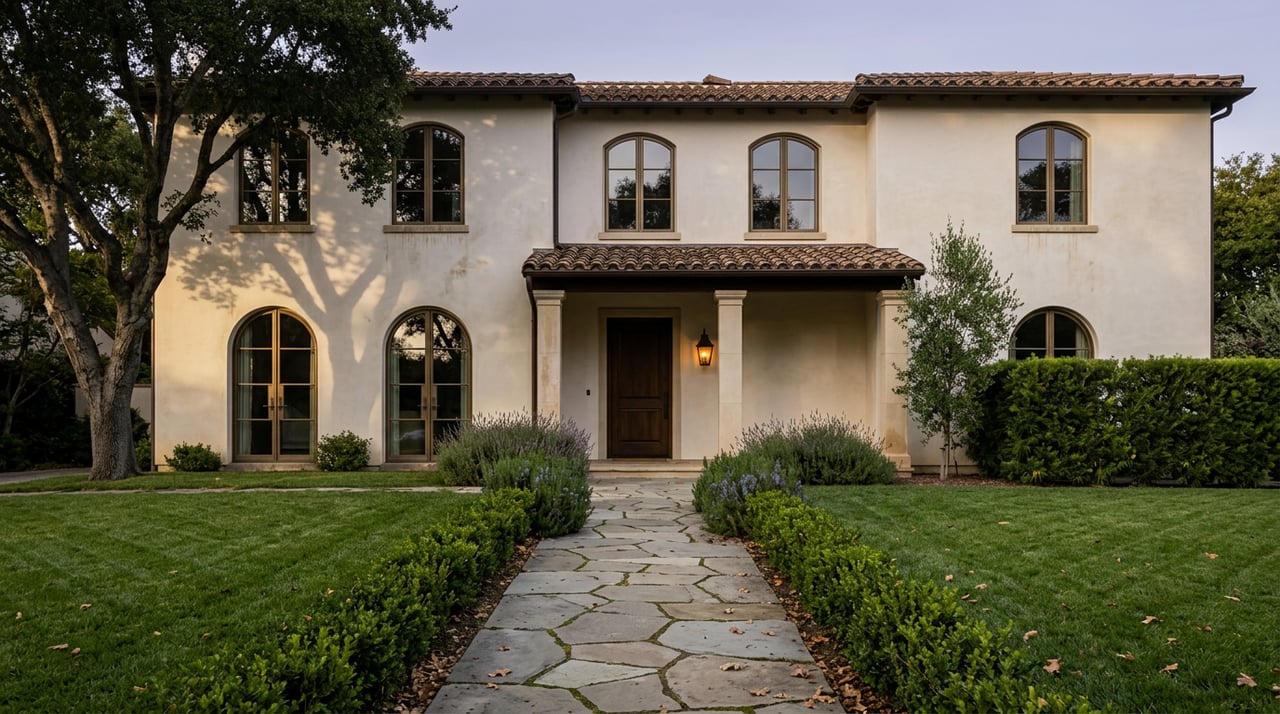
These early‑1900s homes offer character and proximity to services. Many have smaller footprints or sit on lots that make remodels or rebuilds attractive. Updated examples can be very competitive, while original‑condition properties may trade closer to lot value.
Rebuilds and modern new homes
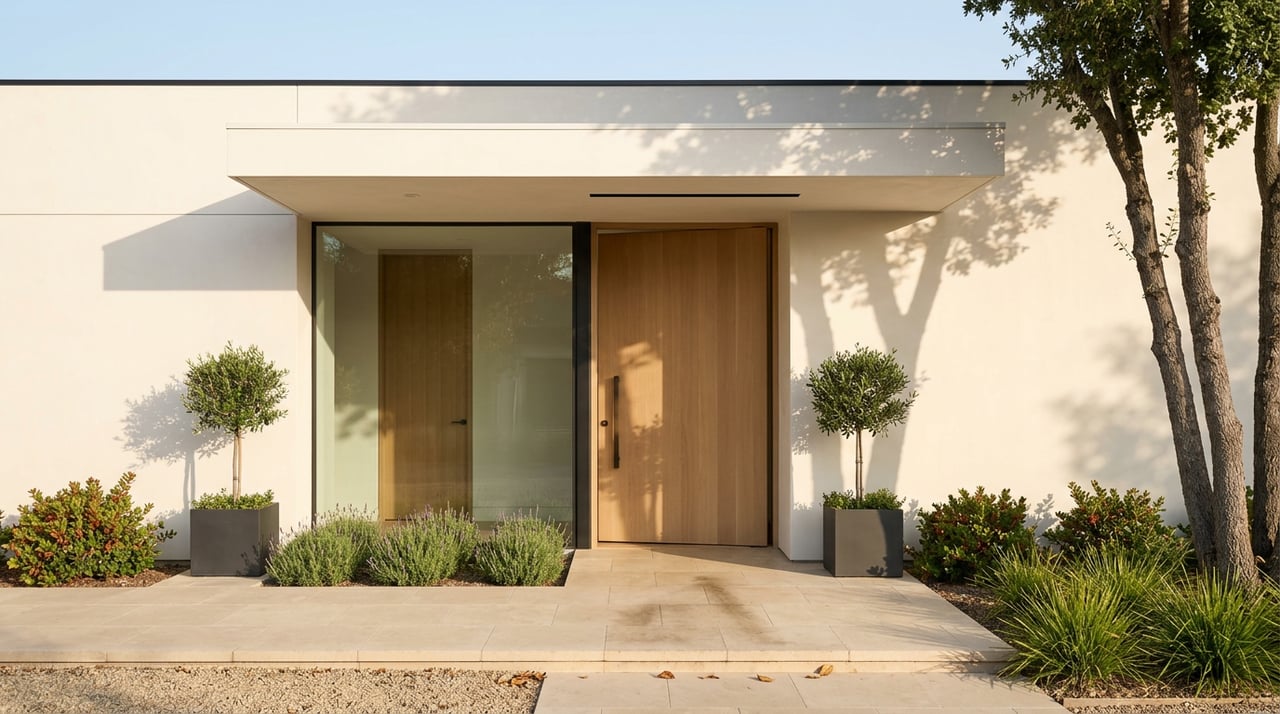
Open floor plans, high‑end finishes, and energy‑efficient systems appeal to buyers who want turnkey living. Many new builds replace older structures, which can reset local comps within a micro‑area. Expect premiums per square foot for quality construction and thoughtful design.
Townhomes and condos
These are common near California Avenue, Downtown, and along major corridors. They offer a lower entry cost into Palo Alto, with trade‑offs like HOA dues and less private yard space. Pricing in this segment is more sensitive to interest rates and HOA health.
Ranch and mid‑century single‑family homes
Often on larger lots, these properties are popular with buyers who plan to expand or modernize. Value is frequently tied to lot size and location. Updated ranches can sell well, while original versions may attract buyers with renovation timelines.
Luxury estates and hillside homes
Privacy, views, and one‑of‑a‑kind architecture define this tier. These properties can see longer marketing periods and require bespoke positioning to reach the right audience. Pricing varies widely based on site, design, and finish quality.
Value drivers across property types:
- Location relative to Stanford and major employers
- School boundaries within the well‑regarded Palo Alto Unified School District
- Lot size and potential for expansion or an ADU
- Recent high‑quality remodels or new construction
- Walkability to Downtown or California Avenue and transit access
- Parking and storage, including rare garage configurations
For zoning, housing policy, and ADU guidance, review the city’s Planning and Housing resources to understand feasibility and timelines.
Demand drivers and seasonality
Several forces move the Palo Alto market in visible cycles:
- Local employment and tech hiring. Hiring surges increase the pool of qualified buyers, while slowdowns can reduce competition.
- Mortgage rates. Affordability shifts quickly when rates change, especially for financed offers.
- School‑year timing. Families often plan moves around the school calendar and enrollment windows.
- Inventory levels. The city’s limited supply supports pricing, and any surge in listings can change negotiating dynamics.
- Lifestyle trends. Hybrid and remote work can influence preferences for space versus commute time.
Seasonally, spring from February to May often brings the most new listings and the biggest buyer pool. Summer stays active, especially for family‑timed moves. Fall can be a second‑chance window with fewer listings. Winter is slower, and while inventory can be thin, motivated sellers sometimes present buying opportunities.
What buyers should expect
- Get clear on price bands by micro‑area. Your agent should pull current comps and explain how homes on specific streets are performing.
- Prepare funds early. Pre‑approval or proof of funds helps you act quickly. Consider strategies for appraisal gaps if you pursue competitive listings.
- Move fast on well‑priced, updated single‑family homes in core neighborhoods. Short timelines are common when inventory tightens.
- Explore townhomes and condos if you want more choices or negotiation room. These segments often offer greater selection when rates rise.
What sellers should expect
- Price to the market you have today. Accurate, realistic pricing triggers early interest and can shorten days on market.
- Invest in targeted improvements. Staging, curb appeal, and focused kitchen or bath updates can increase perceived value. Returns vary by price band and neighborhood.
- Time your launch thoughtfully. Early spring often brings the largest buyer audience. Late fall and winter can still produce serious buyers but in smaller numbers.
- Expect negotiation around contingencies. Shorter inspection periods or strong cash terms are common in competitive scenarios.
How to monitor the market like a pro
Use a simple monthly checklist to stay current without getting overwhelmed.
Your monthly snapshot:
- Active inventory, new listings, median sale price, median days on market, and list‑to‑sale ratio segmented by single‑family and condos/townhomes
- Price‑band counts in your target neighborhoods
- Mortgage rate direction and affordability commentary from regional sources like the CAR housing reports
- Local policy and permitting updates via Palo Alto Planning and Housing
- Employment and campus updates from Stanford Facts
- Ownership records or assessment context from the Santa Clara County Assessor
If you want to cross‑check listings and sales details, the public portal at MLSListings is a helpful starting point. For precise, real‑time analytics, work with an agent who can pull 30 to 90 day rolling metrics that reflect current conditions on the ground.
Final thoughts
Palo Alto’s market rewards preparation and precision. When you know which metrics matter and how each micro‑neighborhood behaves, you can act quickly and confidently. Whether you are planning a strategic listing or searching for a home near campus and key employers, a clear plan and current data make all the difference.
If you would like a tailored snapshot of your price band, neighborhood comps, and timing strategy, connect with Maria Afzal for a complimentary market consultation aligned to your goals.
FAQs
What is months of supply in Palo Alto real estate?
- Months of supply measures how long it would take to sell current inventory at the recent sales pace, with under 3 months favoring sellers and over 6 months favoring buyers.
How do Palo Alto condos and townhomes differ from single‑family homes?
- Attached homes often have more inventory, HOA considerations, and pricing that is more sensitive to interest rates compared to single‑family homes.
Which Palo Alto seasons have the most listings?
- Spring from February to May usually sees the largest wave of new listings and buyers, while winter tends to be slower with fewer options.
How do major employers affect Palo Alto home demand?
- Hiring or expansion at organizations like Stanford and nearby tech firms increases the pool of qualified buyers, while slowdowns can reduce competition.
What upgrades help Palo Alto sellers most?
- Targeted improvements such as quality staging, curb appeal, and focused kitchen or bath updates often improve presentation and reduce days on market.