Thinking about listing your Los Altos Hills estate? You are right to plan carefully. In this hillside, ultra–low‑inventory market, buyers expect flawless presentation, airtight disclosures, and a clear story about the land, utilities, and lifestyle your property offers. This guide gives you a practical, local‑specific plan that covers inspections, permits, staging, media, and timing so you can launch with confidence and avoid costly delays. Let’s dive in.
Why Los Altos Hills prep is different
Los Altos Hills is a high‑value, low‑turnover market where estates vary widely in acreage, slope, and amenities. Typical home values sit in the multi‑million range, and sales volume is limited, which makes comps scarce and accurate documentation critical for pricing and appraisal.
Buyer expectations are exacting. Many will screen listings online before they ever step foot on the property, so your listing needs premium visuals and complete information from day one. According to national buyer data, online search and digital media play a central role in how buyers shortlist homes, which puts a premium on high‑quality photography, floor plans, and 3D tours. You can capture that advantage by pairing meticulous disclosure prep with a luxury marketing package that meets buyers where they are. For context, see this snapshot of buyer behavior from the National Association of Realtors in a recent infographic on how today’s buyers shop.
Disclosures and local rules to handle early
Delivering accurate, complete disclosures early sets the tone for a smooth sale. It also protects you from rescission rights or late‑stage renegotiations.
California disclosures you must provide
- Transfer Disclosure Statement and Natural Hazard Disclosure. California sellers of 1–4 unit residential property must provide a Transfer Disclosure Statement and a Natural Hazard Disclosure that addresses mapped risks like flood, fire, seismic, and dam inundation. Most sellers order a third‑party NHD report for accuracy. Learn what is covered and why timing matters in this overview of statutory NHD and disclosure delivery.
- New SB 382 notice. Effective January 1, 2026, sellers must provide a notice regarding electrical system inspection and disclose if they know about state or local requirements to replace gas‑powered appliances. Build this into your pre‑listing plan so buyers are informed and you can address any electrical capacity findings up front. Review a summary of SB 382’s new seller notice and disclosure.
Wildfire zones and defensible space
The Town has adopted updated Fire Hazard Severity Zone maps. If your property is in a mapped zone, you should be ready to explain brush‑clearance obligations, any home‑hardening steps, and how your landscape aligns with defensible‑space guidance. Start by confirming your property’s status using the Town’s Wildfire Hazard Severity Zone resources.
Tip: Coordinate vegetation work with the Town and local fire services before removing trees or large brush. Some work may involve permits, and protected trees require special handling.
Grading, slopes, and tree permits
Hillside estates often include retaining walls, cut‑and‑fill areas, or steep approach drives. If you plan to modify slopes, rebuild hardscape, or adjust site drainage, Town policies can require geotechnical and civil reviews. Permits and reports can add weeks, so verify early. Start with the Town’s Planning Permits and forms page.
Heritage Oaks are protected. Do not remove a protected oak without a permit. Even selective view‑opening pruning benefits from an arborist plan and Town coordination. See the Town’s Heritage Oak and tree removal permit guidance.
Septic and private well considerations
Many Los Altos Hills properties use onsite wastewater treatment systems. Buyers and lenders often ask for pump records, As‑built plans, and recent inspections. Pull County records and schedule a pumper’s report early so you are not waiting on documentation during escrow. Santa Clara County’s Environmental Health program outlines standards and guidance for OWTS on its onsite wastewater page.
If your estate relies on a private well, gather drilling logs and any recent water quality tests. Some buyers or lenders request bacteriological and nitrate testing. Handle that in parallel with septic so timing stays tight.
Drone, airspace, and privacy concerns
Aerial media is essential for showcasing acreage, privacy, and views. Use a Part 107‑certified pilot who understands FAA rules, Remote ID, and local no‑fly areas. Here is a quick explainer on FAA Part 107 commercial drone requirements.
Respect privacy. California law creates civil liability for capturing images in places where people reasonably expect privacy. Align your flight plan with a professional pilot and consider neighbor notices for peace of mind. See the state’s aerial privacy provisions in California Civil Code 1708.8.
The right pre‑listing inspections
Order inspections in a sequence that uncovers risks early and leaves time for smart fixes. Here is a proven path for hillside estates:
- Agent walkthrough and document pull. Assemble permits, warranties, prior reports, septic As‑built and pump receipts, and any well logs.
- General home inspection. A full systems survey helps you control timing and contractor selection. Pre‑listing inspections reduce surprises and can shorten buyer contingency periods. Learn more about the benefits of pre‑listing reports in this overview of pre‑listing inspections.
- Wood‑Destroying Organism report. Termite findings are common and easier to handle before you launch.
- Roof evaluation. Age, membranes, and patch needs are common escrow items.
- Sewer camera scope. Older lines or hillside drainage call for early scoping and any necessary permits for repairs.
- HVAC, electrical, and gas‑appliance audit. SB 382’s new notice makes electrical capacity and gas‑appliance requirements part of early due diligence.
- Septic evaluation and pumper report. Pull County records and provide recent pump documentation for lender and buyer confidence. Reference standards via the County’s OWTS guidance.
- Pool/spa inspection, if applicable.
- Arborist report. Essential if you plan pruning or if any protected oaks could affect view corridors.
- Geotechnical review. If grading, new hardscape, or mapped landslide/seismic hazards are in play, bring in a geotech early.
High‑impact updates and staging
Aim for selective, visible upgrades that elevate the experience without triggering long permits.
- Prioritize the view. Clean sightlines to valley, skyline, or ridgeline vistas with strategic pruning. Coordinate with an arborist and the Town if protected trees are involved.
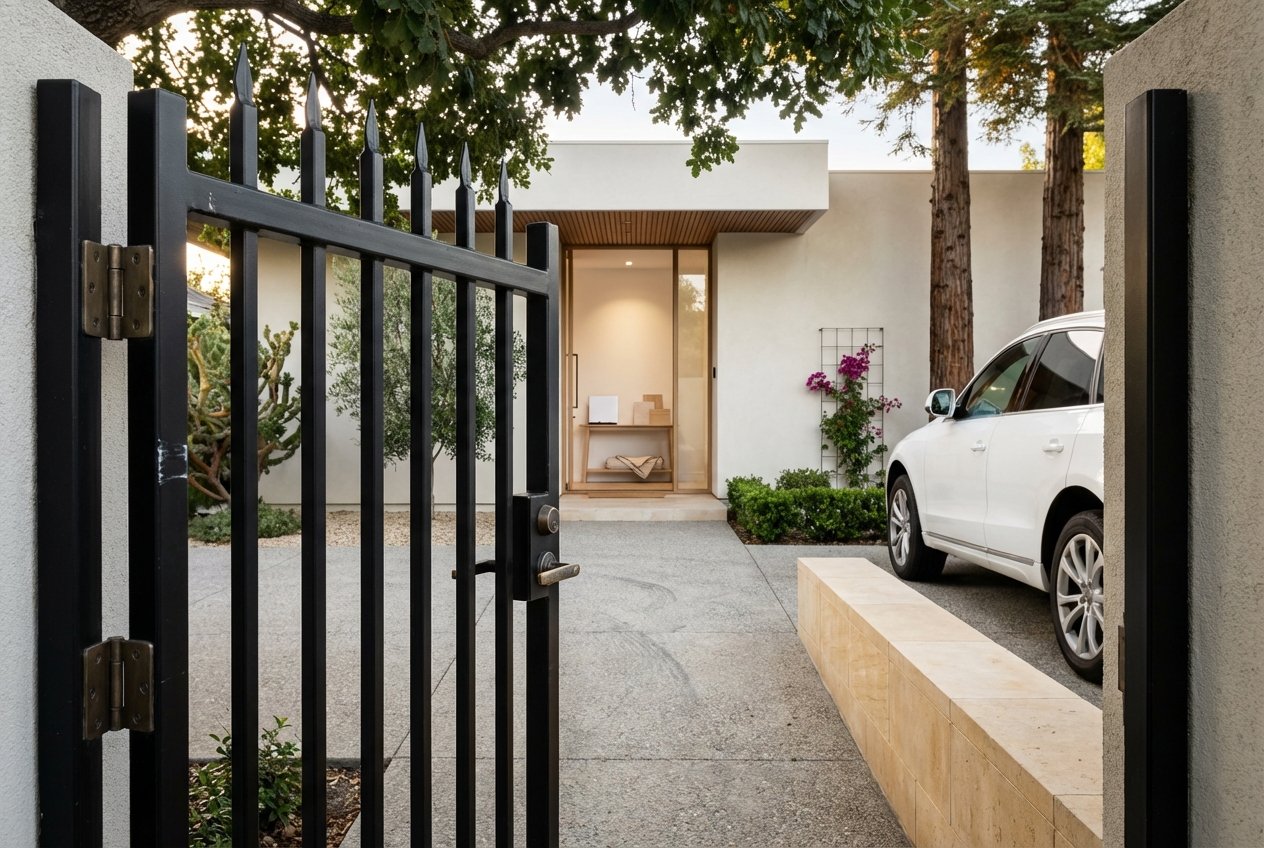
- Elevate the approach. Refresh gates, update house numbers, resurface or seal the drive, pressure‑wash, and install warm entry lighting. First impressions count.
- Refresh interiors. Neutral paint, deep cleaning, updated lighting, modern hardware, and staged entertaining spaces make a strong impact. The National Association of Realtors reports that staging often reduces time on market and can increase offer amounts, with the living room, primary bedroom, and kitchen as top priorities. See highlights from NAR’s latest staging report.
- Present outdoor living. Showcase terraces, pool areas, outdoor kitchens, and pathways with clear egress and tasteful lighting. Complete any defensible‑space work before photos so your images reflect code‑aligned landscaping.
A note on scope: Large structural remodels rarely pencil before a sale unless they materially shift buyer pool or value. Many sellers achieve better short‑term ROI by focusing on targeted cosmetic updates plus premium marketing.
Must‑have media and marketing assets
Luxury buyers expect a complete digital experience. Build these assets in the right order and sequence them tightly before launch.
- Professional photography. Shoot interiors and exteriors after staging and final clean. Secure a twilight “hero” image to headline your digital presence.
- Aerials and short aerial video. Use a Part 107 pilot to highlight acreage, slope, privacy, and relationship to open space. Plan for weather and golden‑hour light.
- 3D tour and accurate floor plans. Remote and relocation buyers rely on interactive tours to visualize the home and reduce wasted showings.
- Cinematic highlight video. A 90–120‑second film can carry your lifestyle narrative: architect, year built, acreage, and signature amenities.
- Single‑property website and feature sheet. Package high‑resolution photos, video, floor plans, and a concise fact sheet for broker and buyer distribution.
- Targeted broker outreach. Curate a broker preview and VIP showings for qualified buyers. Your agent’s luxury network and relocation channels can extend reach across key executive ZIP codes.
Media flow that works: staging, then final clean, then interiors, then drone and twilight, followed by quick post‑production and upload. Shooting last ensures images match show condition.
Sample timelines that work
Your timeline depends on inspections, permits, and the level of cosmetic work. Use one of these paths as a starting point.
Fast‑track: about 3 to 4 weeks
- Week 0: Hire your listing agent. Pull permits, septic/well docs, and prior reports. Order TDS/NHD.
- Week 1: General inspection, WDO, septic pump report, and a quick electrical and gas‑appliance audit. Start contractor quotes.
- Week 2: Complete light repairs, deep clean, install staging. Book photographer and drone pilot.
- Week 3: Daytime photography, twilight and aerials, finalize assets, launch MLS.
Typical luxury prep: about 6 to 10 weeks
- Weeks 0–2: Documentation pull, NHD, general inspection, septic check, and arborist consult.
- Weeks 2–6: Prioritized repairs (roof patches, HVAC, electrical updates), defensible‑space work, and staging design plus delivery. Pull any minor permits as needed.
- Weeks 5–7: Photo, video, and 3D capture. Build the property site, brochures, and broker outreach list.
- Week 8: Launch with a broker preview and broad syndication.
Permit‑heavy or major‑remodel: 3 months or more
- Early: Order geotechnical and civil reports, secure Town submissions for grading or hardscape, obtain septic approvals, and coordinate any tree permits. These steps can take weeks or months.
- Two viable strategies: complete major work first to maximize market appeal, or disclose fully and price for condition to move faster. Many luxury sellers choose a middle path that pairs targeted cosmetic refreshes with premium marketing to create competition without multi‑month construction.
Quick pre‑list checklists
Use these as your working prompts during prep.
Documents to assemble
- Title work, surveys, permits for prior renovations, major‑system receipts, septic As‑built and pump reports, well logs, warranties, HOA or covenants (if any), and previous inspections. Order a third‑party NHD early so buyers see hazards upfront.
Services to schedule
- General home inspection, WDO, roof evaluation, sewer scope, septic pump report, well testing if applicable, electrical and gas‑appliance audit, arborist review for any tree work, and geotechnical input if slopes or new hardscape are planned. Book staging and media after repairs and cleaning.
Media and marketing build
- Photography and twilight shot list, aerial plan with a Part 107 pilot, 3D tour and floor plans, cinematic video brief, single‑property website, feature sheets, and a targeted broker outreach plan.
Next steps
Preparing a hillside estate is part due diligence and part presentation. When you deliver complete disclosures, address site‑specific items early, and pair the home with elevated media, you invite confident offers and a smoother closing. If you want a tailored plan, a detailed timeline, and a full luxury marketing stack, connect with Maria Afzal to request a complimentary luxury marketing consultation.
FAQs
Should I get a pre‑listing inspection for a Los Altos Hills estate?
- Yes. Pre‑listing inspections help you control repair timing, reduce surprises during escrow, and shorten contingency periods on complex estates.
How do wildfire zones affect my listing?
- If your property sits in a mapped fire‑hazard zone, disclose it, complete defensible‑space work, and explain any hardening measures so buyers see code‑aligned landscaping and safety.
Do I need a permit to remove trees for better views?
- Possibly. Heritage Oaks are protected and require a Town permit, so coordinate with an arborist and verify permit needs before pruning or removal.
Can I use a drone to show acreage and views?
- Yes, if you use a Part 107‑certified pilot, follow FAA rules, and respect privacy; plan flights to avoid capturing neighboring private areas.
How do septic or well issues affect timing?
- Septic and well documentation can add weeks if you start late, so pull County records early, schedule a pumper’s report, and complete water testing if needed.